What does sewer line repair in Broward County include?
Camera diagnosis, itemized quotes, and a fix sized to what the footage shows
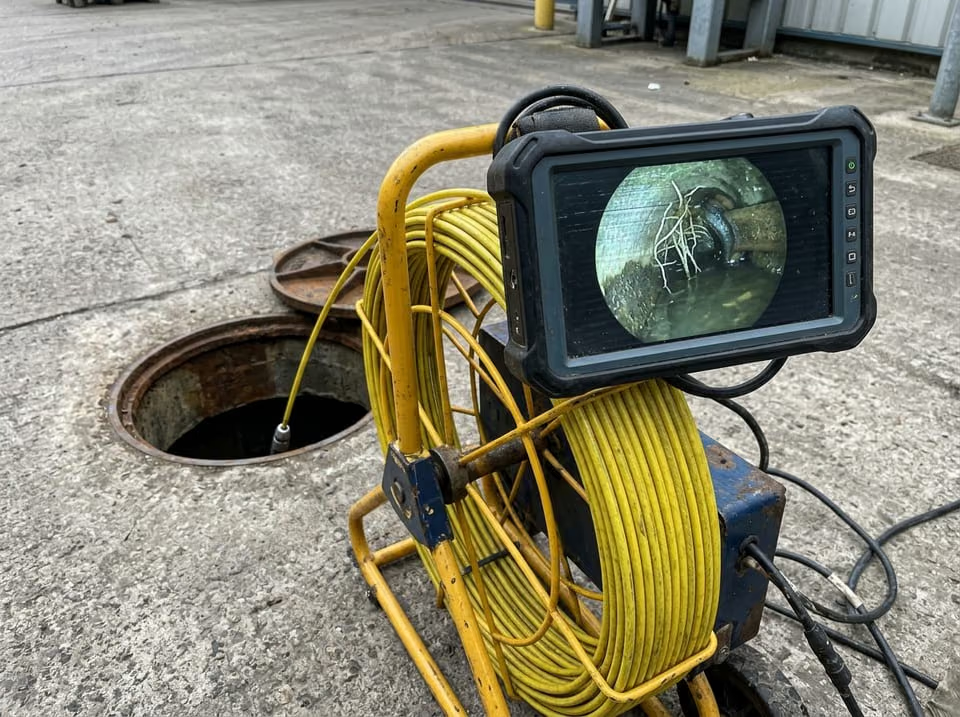
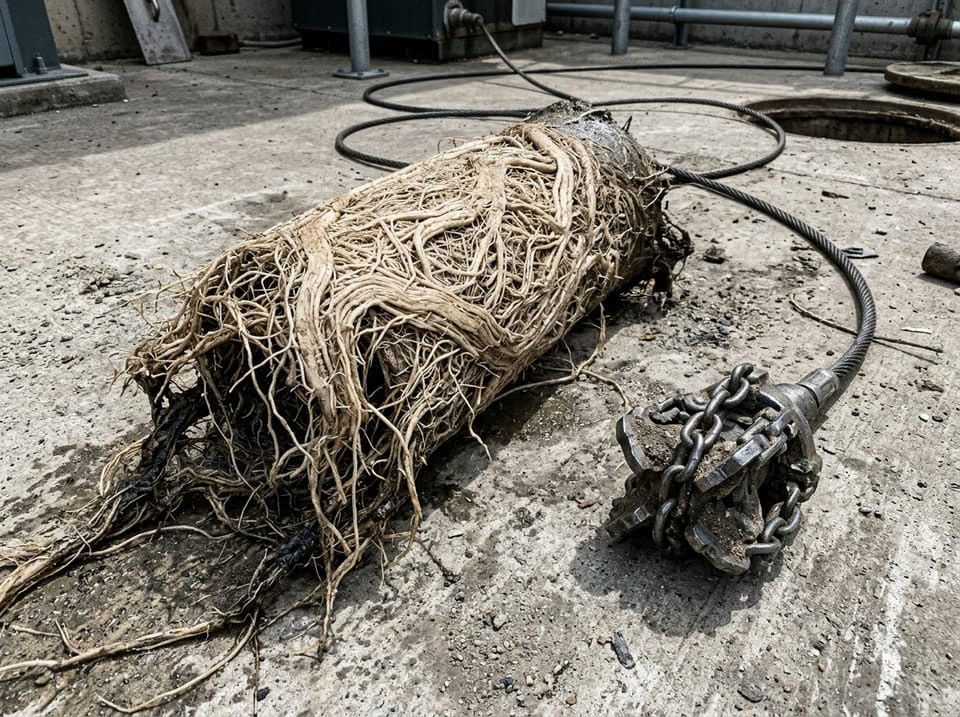
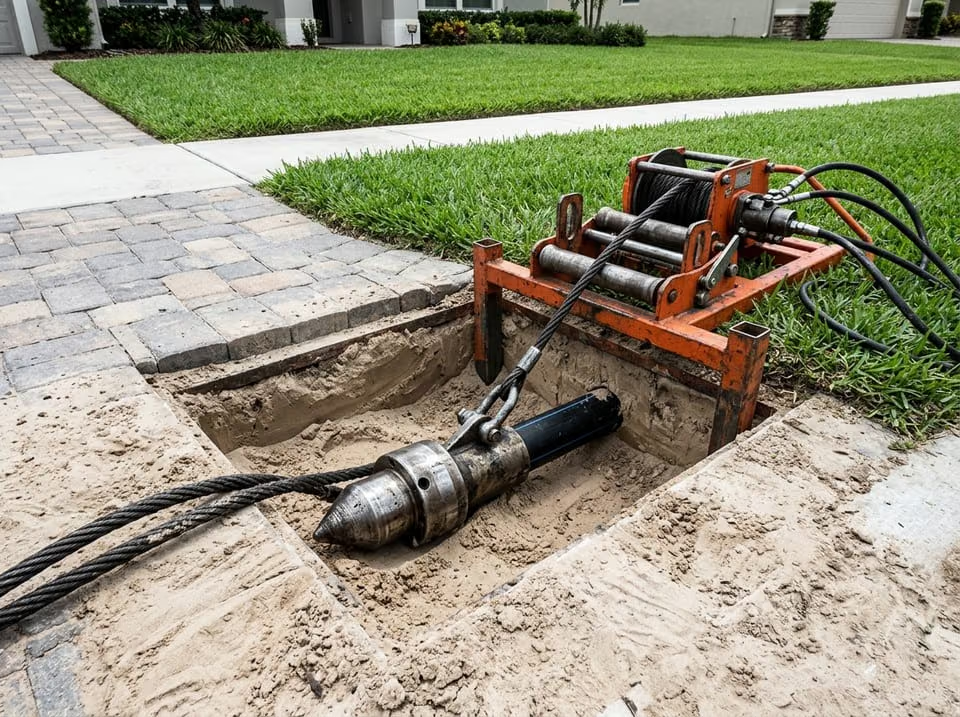
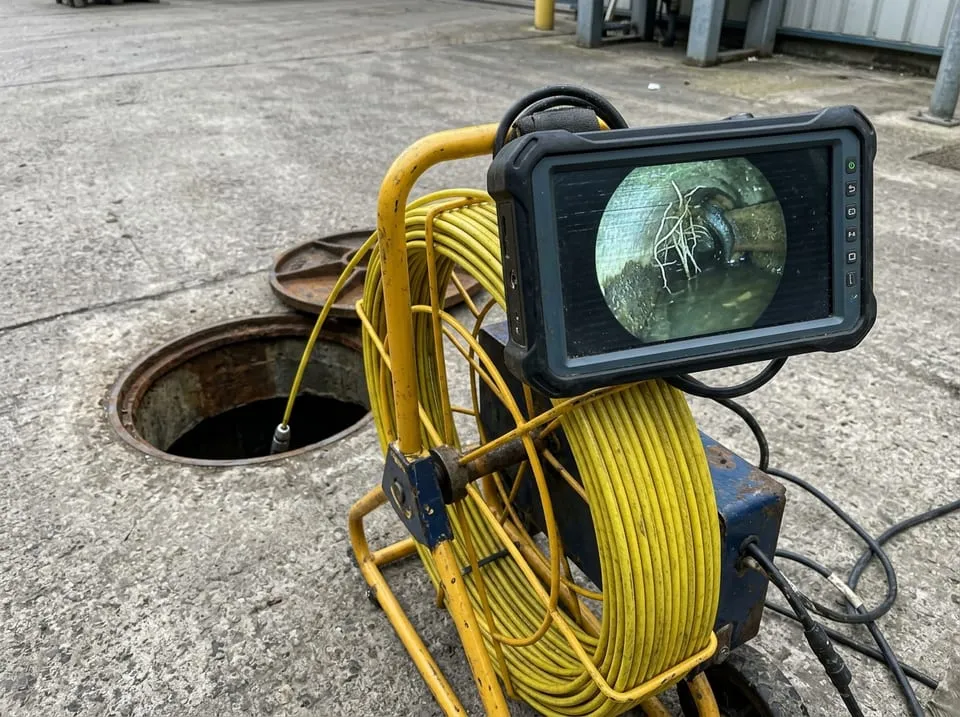
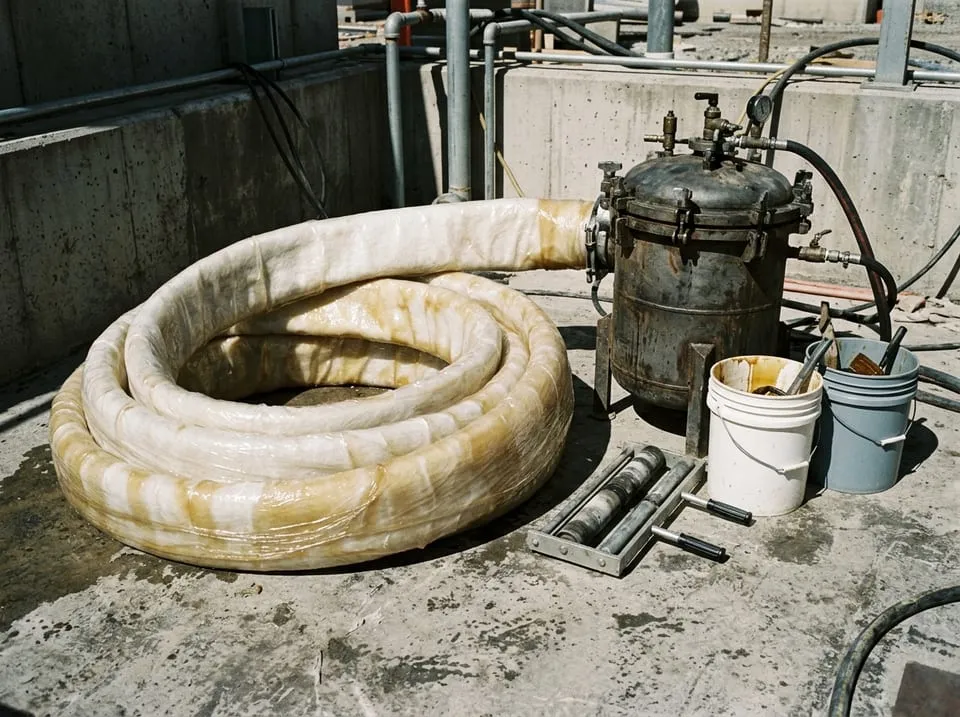
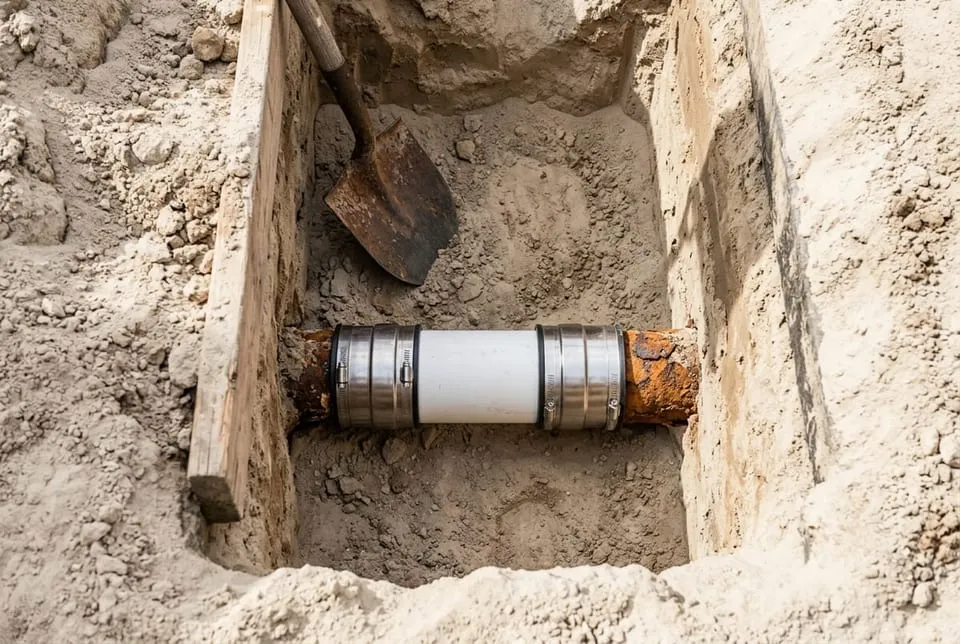
Sewer line repair in Broward County covers the full run of the problem: camera inspection, hydro jetting and cleaning, root removal, spot repair, cured-in-place lining, trenchless pipe bursting, and full cast iron replacement through the yard and under the slab. Which one a house needs is decided by the camera, not by symptoms, because the same backup can come from roots, a belly, scale, or a collapsed section, and those four have different fixes and very different prices. Every job here starts with a recorded inspection, the footage goes to the homeowner, and the quote is itemized by excavation, materials, restoration, and permits.
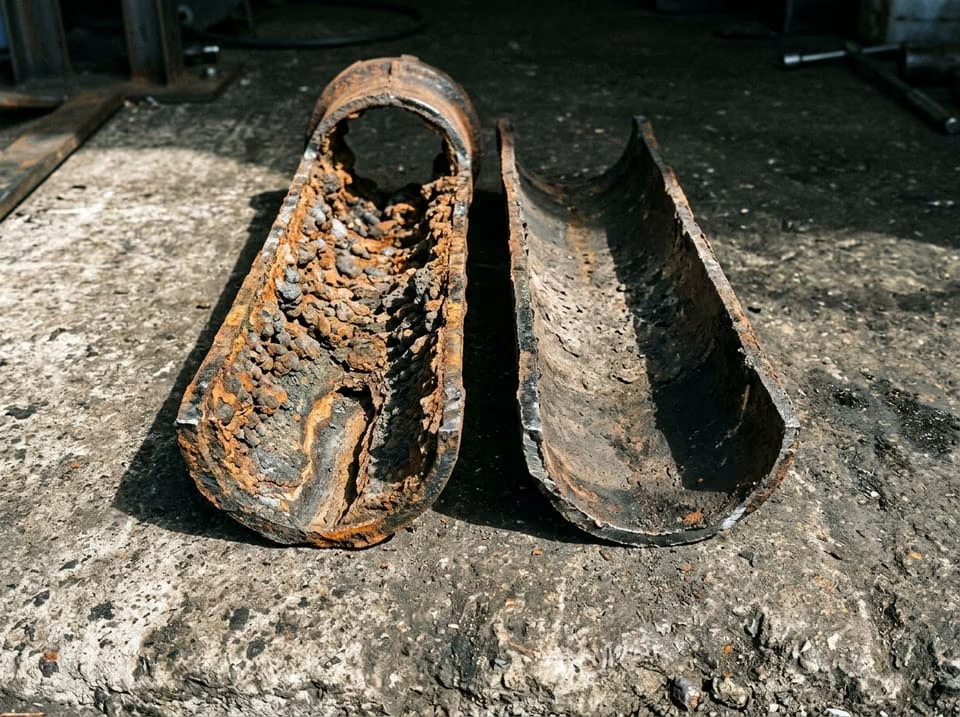
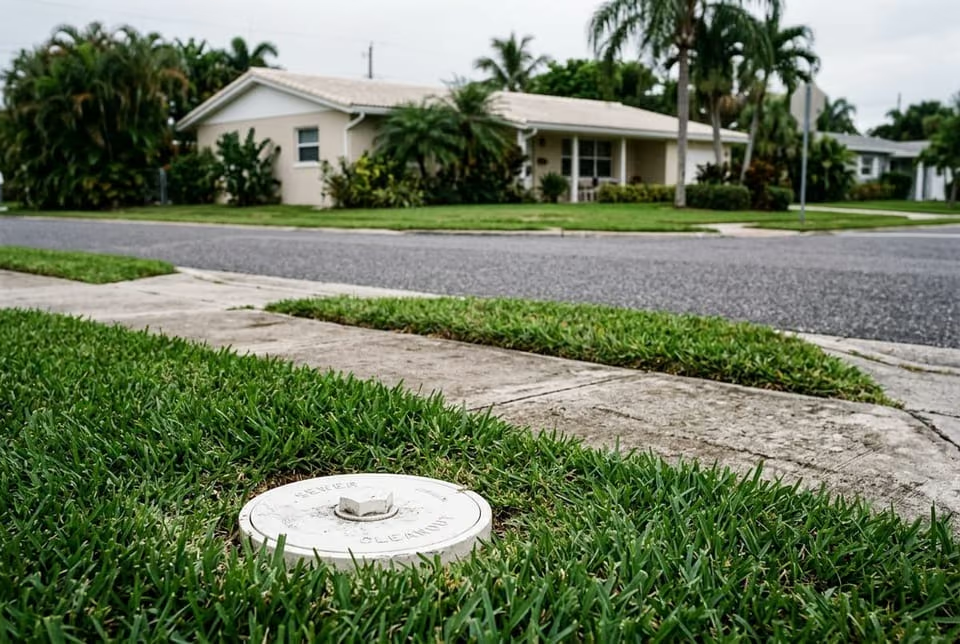
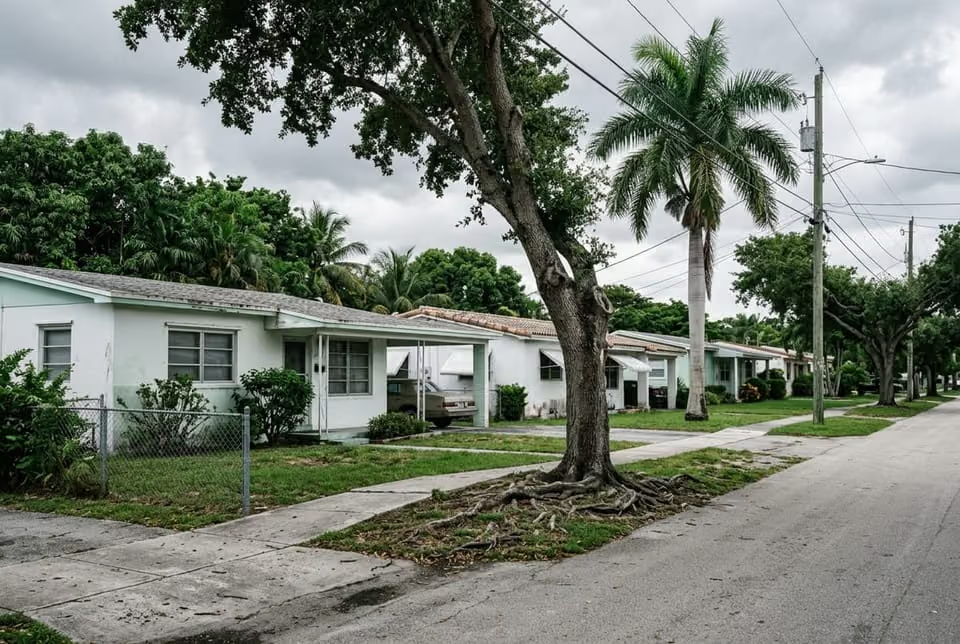
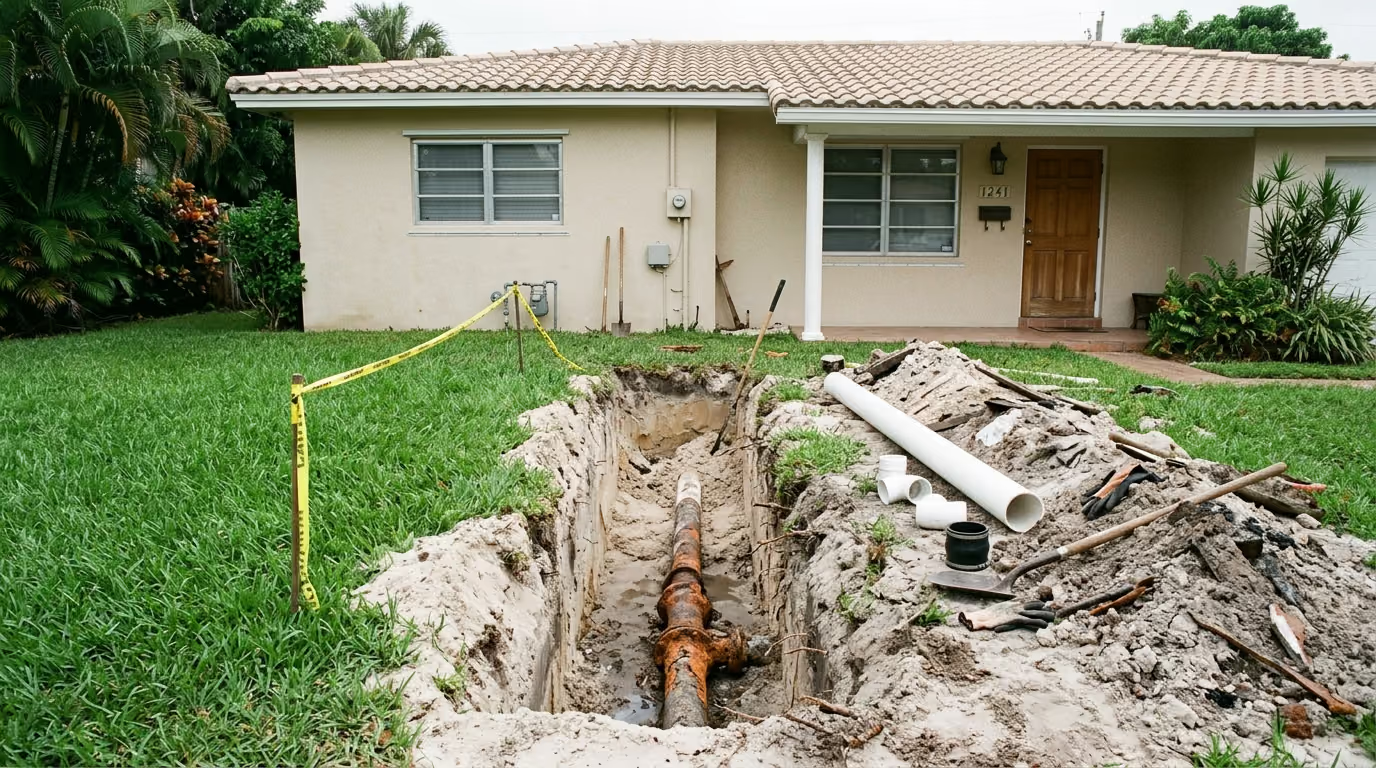
Broward's single-family stock was largely built between 1950 and 1979, which puts most of it inside the cast iron era. Fort Lauderdale's median year built is 1972 and Hollywood's is 1969 (U.S. Census ACS 2023 5-Year). Cast iron drain pipe is rated 50 to 75 years by CISPI, and in South Florida's damp, sandy fill it usually gives out closer to 40 to 50. The line under a 1960s slab is not aging. It is out of time.
What are the signs a sewer line is failing?
Six things people notice right before the line gives out. None of them need equipment.
More than one drain is slow. One slow sink is a clog. Two or three is a main line losing diameter to rust and scale.
The toilet gurgles when the washer drains. Air can't move through the line. Either something is blocking it or the pipe has lost its slope.
A sewer smell that comes and goes. Usually worst in the morning or after heavy rain. A cracked pipe under the slab vents gas up through the soil.
Palmetto bugs in a clean house. They use broken sewer lines as a highway. If they're coming up out of drains, there's an opening down there.
Tile that cracked or settled for no reason. Water escaping a failed pipe washes the sand out from under the slab. The floor follows.
Snaked more than twice in two years. Snaking clears the symptom. If it comes back in the same spot, the pipe is the problem.
What happens between the camera and a replacement, and where do most jobs stop?
A quote that skips straight to replacement without a camera has skipped the evidence. Here is the order things happen in, what each step establishes, and the published market range for each.
| Step | What it establishes | What forces the next step | Market range* |
|---|---|---|---|
| Camera inspection | Whether the line is blocked, broken, bellied, or root-infested, and where along its run | Anything the camera names as structural rather than a blockage | $150–400 |
| Hydro jetting / cleaning | Restores full bore by cutting scale, grease, and roots out of an intact pipe | Roots return on a short cycle, or the camera shows the wall is gone behind the scale | $600–1,400 |
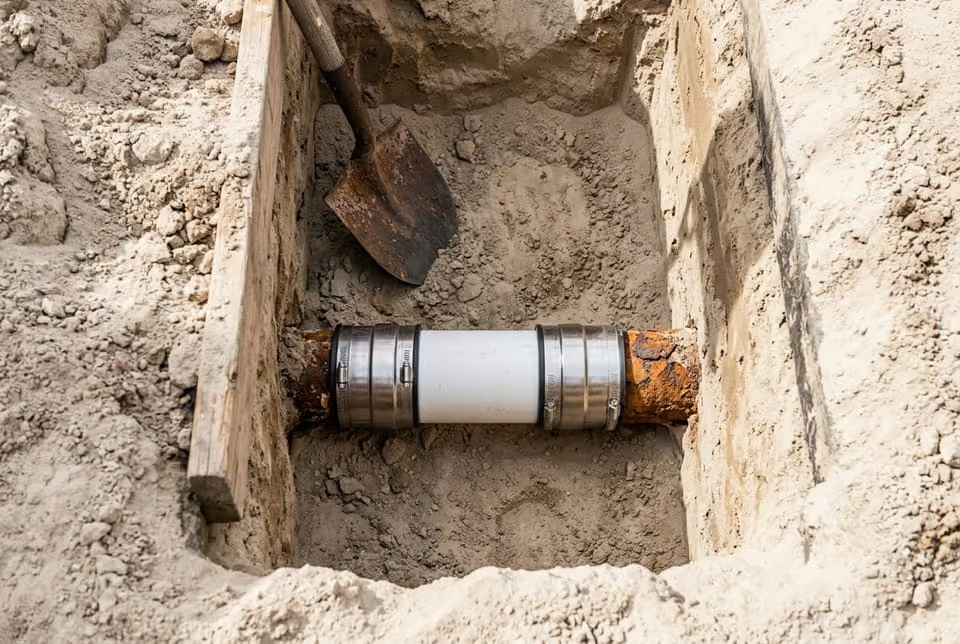
| Spot repair | Replaces one failed section through a single dig, leaving the rest of the run alone | More than one failure point, or a run that's at end of service life everywhere | $1,500–4,500 |
| CIPP lining | Rebuilds the pipe from the inside with no long trench, keeping driveway and lawn intact | A collapsed line, a severe belly, or offsets the liner can't bridge | $4,000–12,000 |
| Full replacement | New pipe, new grade, and a service life measured from today rather than from the 1960s | — | $8,000–25,000+ |
*Published South Florida market ranges, not this site's prices. Every quote here is itemized by excavation, materials, restoration, and permits, and priced against the camera footage for the specific line.